Gay Guide to New Orleans
Coming back to New Orleans has its own pleasures. You can start with a morning walk through the French Quarter, give lunch far more time than originally planned, and find the boys gathering around Bourbon and St. Ann when the evening gets going. This gay guide to New Orleans makes room for those familiar favorites and the experiences that give you a reason to book another visit. Leave a little space on the calendar. A second helping is usually a good idea here.

In southeastern Louisiana, along a bend in the Mississippi River, New Orleans brings food, music, history, art, and gay social life into the same vacation. You can settle into a spacious hotel, linger over a good meal, or head beyond the city to explore the bayou. There is plenty to enjoy with your boyfriend, a group of friends, or nobody’s schedule to consider but your own.

Use this guide to choose your gay bars, find restaurants worth making a reservation, and build days around experiences in New Orleans that interest you most. Each season offers a different reasons to come back. For men who want the city’s gay nightlife at full strength, Southern Decadence over the Labor Day long weekend is the time to plan around. Yes, that trip may require another outfit.

In This Guide
- New Orleans History and the French Quarter
- New Orleans Gay Bars
- Things to Do
- Where to Eat
- Gay Friendly Hotels
- The Best Times to Visit
- Why Plan Around Southern Decadence
- Practical Planning Tips
- New Orleans FAQs
- Keep Planning Your Getaway
New Orleans History and the French Quarter
A City Shaped by Many Cultures
The French founded New Orleans in 1718 on lands Indigenous peoples had inhabited long before European colonization. Its location beside the Mississippi made the city a port and a meeting place, connecting inland North America with the Gulf and Caribbean. French and later Spanish rule left lasting influences, but New Orleans history also belongs to the people whose work, traditions, and resistance shaped life under those governments.
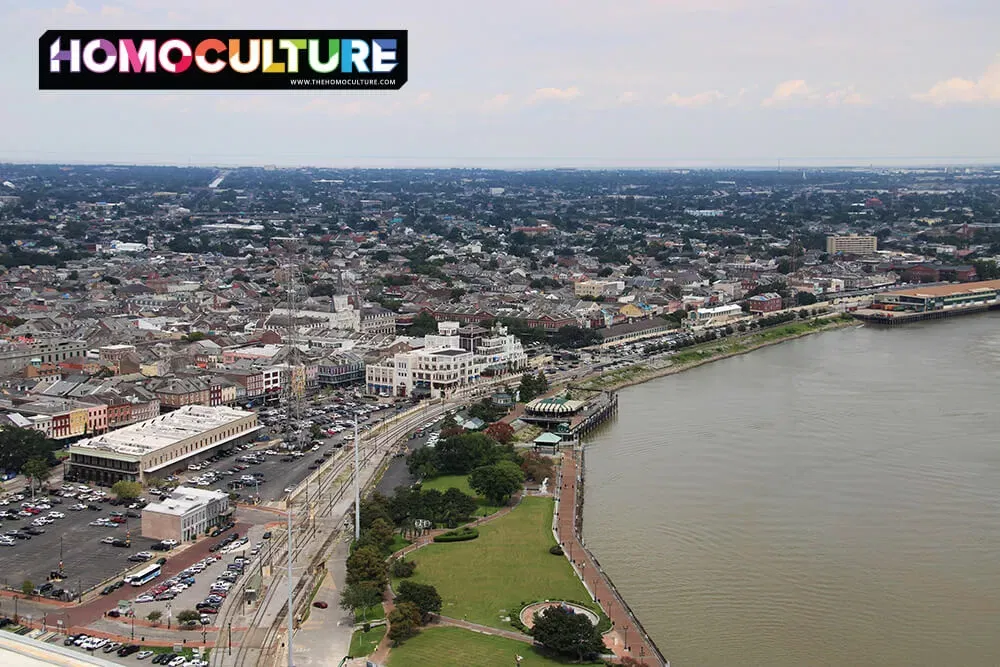
Enslaved Africans, free people of color, and later generations of Black New Orleanians helped build the city and develop its cultural life. Creole communities, Caribbean arrivals, European immigrants, and others contributed to the food, music, language, and customs that visitors encounter today. Creole identity itself crosses racial lines. The city’s pleasures are more interesting when you recognize the people behind them and the unequal circumstances in which much of that culture developed.

The French Quarter, also called the Vieux Carré, is the historic neighborhood most visitors meet first. Despite its name, much of its surviving architecture reflects rebuilding under Spanish rule after major fires, alongside later development. Courtyards, galleries, restaurants, and compact streets surround Jackson Square. Give the buildings a closer look; calling every balcony French colonial misses much of what makes the neighborhood distinctive.

Why Gay Travelers Keep Coming Back
New Orleans’ gay welcome is visible in longstanding social spaces, drag performance, community celebrations, and hospitality businesses with real LGBTQ connections. The LGBT Archive of Louisiana’s record of French Quarter bars places today’s nightlife within a much longer community history. Bourbon and St. Ann is a fantastic starting point, with more to explore in the Marigny and Bywater. There is plenty of opportunity to build your trip around those shared spaces while also enjoying the city’s wider cultural life.

New Orleans Gay Bars for Every Kind of Night
The French Quarter’s compact streets make bar hopping really easy. Start with the kind of evening you want: dancing, a show, a pool game, or enough conversation to get someone’s name right. Phoenix takes you into the Marigny, while Lafitte’s Blacksmith Shop adds a mixed-crowd stop. Check individual calendars for hours, covers, and entertainment.
Oz New Orleans
Dancing is the reason to put Oz New Orleans on the list. At 800 Bourbon Street, opposite Bourbon Pub, the club brings DJs, drag, and a crowd ready to spend the night on its feet. Choose it when you want your evening to gather speed and the next song to make the decision for you. The balcony offers another way to take in Bourbon Street, particularly during big celebrations. It’s one of the most popular places as a first stop on any trip to New Orleans.

Bourbon Pub and Parade
Bourbon Pub and Parade occupies the other side of that familiar Bourbon and St. Ann meeting point. Its appeal includes the social part of going out: gathering with friends, watching go-go dancers on the bartops, checking out the entertainment, and deciding together where the night goes next. The downstairs pub and upstairs Parade give the venue more than one setting, with drag and other programmed events shaping the evening. Make it a first rendezvous for a group, then see who is ready to keep going.

Good Friends Bar
For a neighborhood-bar stop, head to Good Friends Bar at Dauphine and St. Ann. This is a sensible choice when social conversation is the main event, whether you arrive with friends or feel like settling into a room where visitors and locals mix. The mahogany bar gives the downstairs its character. Upstairs, the Queen’s Head Pub adds Victorian decor and a wraparound balcony when open. Build this into an evening that leaves time to stay put if the company is good.

The Phoenix Bar
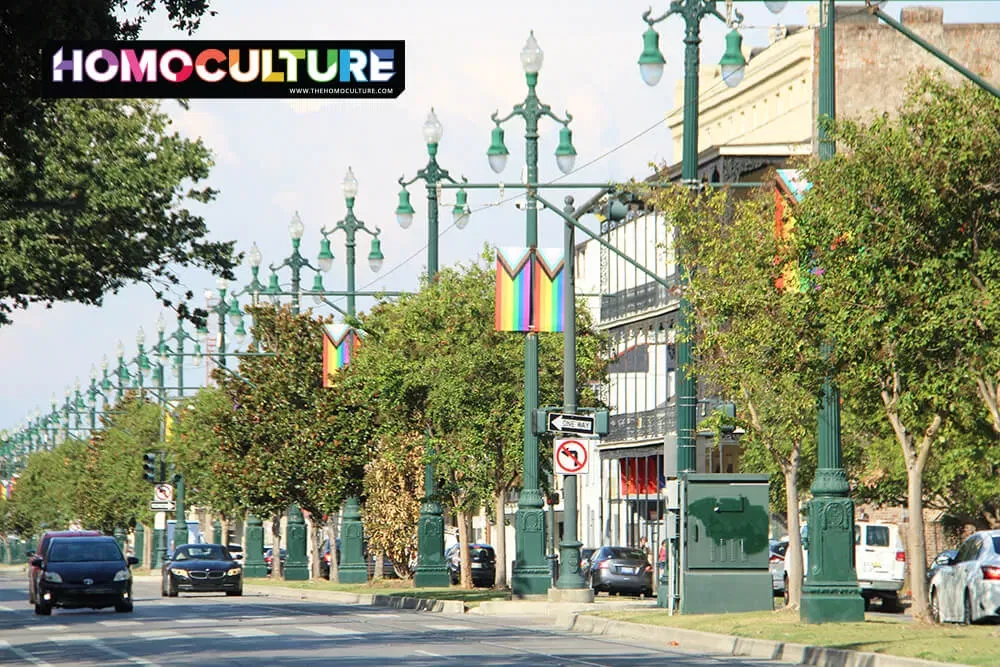
The Phoenix Bar, at 941 Elysian Fields Avenue in the Marigny, has strong ties to the city’s leather, bear, and pup communities. Its calendar includes socials connected with local clubs, giving visitors a easy way to find an evening that suits their interests. The atmosphere is openly adult, with community life extending beyond whoever happens to be visiting that weekend. Check the house rules for the upstairs Eagle, which has its own requirements. Give Phoenix its own place in the night’s plans. The rainbow Pride crosswalk is located here, too.

The Corner Pocket
The men are part of the entertainment at The Corner Pocket, a small, no-frills gay bar on St. Louis Street known for male dancers performing on the bar. Expect a close-up show and a room organized around watching, cheering, and enjoying the attention. Bring cash if you plan to tip the dancers. This suits a cheekier stop with the boys, especially when a conventional nightclub feels too predictable. Keep interactions respectful and let the performers set the boundaries.
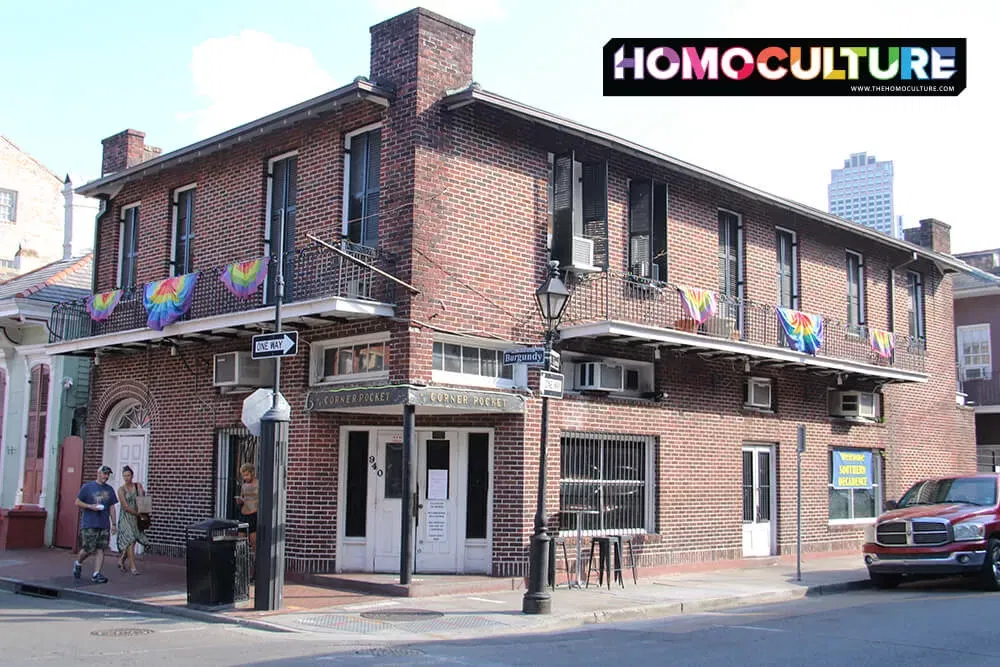
Rawhide 70116
A red pool table, a jukebox, and disco balls give Rawhide 70116 a straightforward proposition: pick some music, have a drink, and see how the game goes. At 740 Burgundy Street, this informal gay gathering place welcomes the entire LGBTQ community and allies too. It fits an evening built around hanging out, with something to do between conversations. Come with your competitive streak or take a seat and watch. A pool game can settle the question of where to spend the next hour quite nicely.
Café Lafitte in Exile
At 901 Bourbon Street, Café Lafitte in Exile gives a night out a connection to generations of gay New Orleans. Its longstanding place in the community is reason enough to stop, without settling arguments about which bar deserves an “oldest” title. Have a drink, enjoy the social setting, and take advantage of the outdoor seating when available. Look for the eternal flame near the entrance, a sculpture by Mexican artist Enrique Alférez designed to reflect the Mississippi River’s curves around New Orleans. This is a place to spend some time, particularly if gay history interests you as much as the evening’s next introduction.
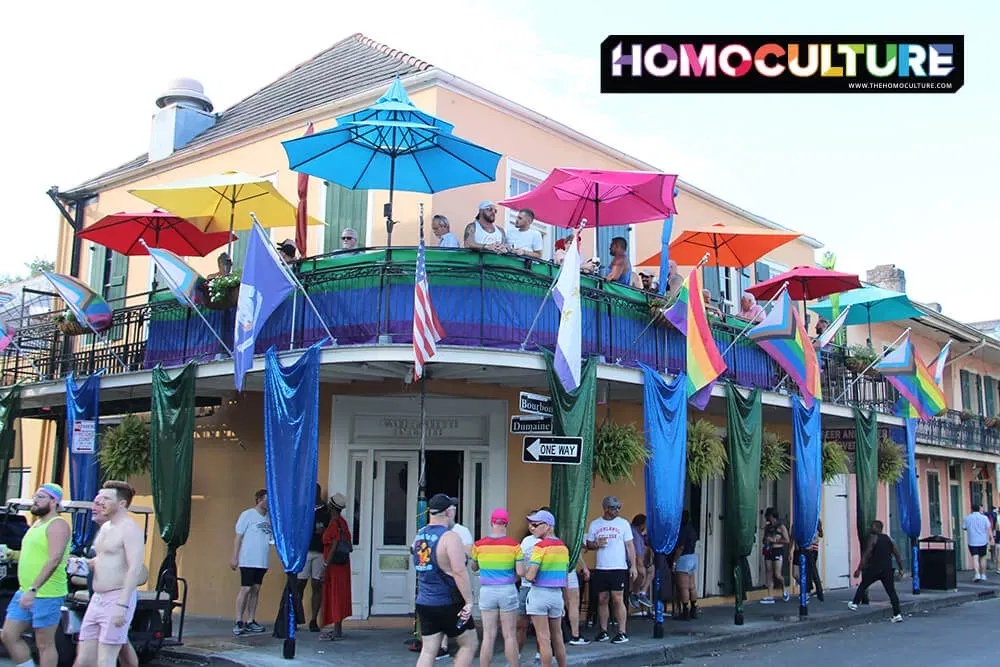
Lafitte’s Blacksmith Shop Bar
Lafitte’s Blacksmith Shop Bar is a separate establishment with a historic Bourbon Street setting and a mixed crowd. Its low, old building makes a distinctive stop along a route otherwise dominated by gay bars. The venue has history of pirate lore while acknowledging the mix of history and embellishment. Enjoy those stories in that spirit. Choose it for the building, the legendary purple drink, and a change of scene.

Crossing
Sometimes the right bar has a game on and something substantial to eat. Crossing, at 439 Dauphine Street, combines sports viewing, food, and neighborhood-tavern sociability with steampunk-inspired decor and booth seating. Burgers and sandwiches make it a great stop when a day of sightseeing runs into the evening. It is an easy choice for friends who want to watch the Saints or catch up over a meal.
Things to Do in New Orleans for Gay Travelers
New Orleans rewards curiosity about how people cook, dress, make music, remember the dead, and live beside the river. A class, a neighborhood walk, and an excursion beyond the city can provide plenty of variety. Pick a few experiences that offer something different from your last visit.

Take a New Orleans Cooking Class
Learn to make Cajun and Creole favorites such as jambalaya, gumbo, Bananas Foster, and more in a New Orleans cooking class. Chefs explain the ingredients, techniques, and traditions behind the dishes, giving you a better understanding of what makes Louisiana cooking so good. Join a hands-on session to chop, stir, and cook, or settle in for a demonstration with tastings. Come hungry, ask questions, and leave with recipes you’ll want to make again once you’re home.

A Cocktail Class at Sazerac House
Understanding how a drink is built can make the next round more interesting. At Sazerac House, classes offer different approaches to that lesson. Behind the Bar starts with an instructor-made welcome cocktail, then lets participants customize an Old Fashioned using choices of spirits, sweeteners, bitters, and garnishes. The introductory cocktail-making class focuses on liqueurs and balancing flavors. Choose the format that answers the questions you actually have about mixing drinks.

These are booked experiences separate from the general self-guided museum visit, which has its own sampling component. Check the current class description and age requirements before reserving. The appeal is practical as well as social: you can leave with a clearer sense of why ingredients work together, then use that knowledge at home. Allow time to explore the cocktail-history exhibits too.

The Mardi Gras Museum of Costumes and Culture
The Mardi Gras Museum of Costumes and Culture, at 318 North Rampart Street, brings Carnival’s craftsmanship and theatrical traditions into focus. Elaborate costumes reveal the work behind the celebrations, while exhibits introduce distinct traditions, including Black masking and Social Aid and Pleasure Clubs. The interactive costume closet lets you try on costumes and take photos, making this an especially fun stop with friends.

You can also rent a costume for $75 to $125 for five days, giving you time to put together a proper Mardi Gras appearance. If you’re planning an outfit for yourself or coordinating looks for a group, the team can help create custom-made costumes. Bring your ideas and talk through what you have in mind.

A Cajun Encounters Swamp Tour
A Cajun Encounters swamp tour takes you into Honey Island Swamp for a change of scenery from the French Quarter. Bald cypress trees line the waterways, while guides explain the wetland and help you spot wildlife. Keep your camera ready for alligators and birds, though sightings vary with the season and conditions.

Cajun Encounters offers covered flat-bottom boat tours and a smaller-boat option, with hotel pickup available. Set aside most of your day for the excursion, including travel and time on the water. It’s a commitment, but exploring Louisiana’s bayous is one of the most distinctive experiences you can build into a New Orleans trip. Confirm your pickup arrangements when booking, and leave the evening open for a relaxed dinner.

A New Orleans Cemetery Tour
At St. Louis Cemetery No. 1, above-ground tombs and narrow passages reveal a different part of the city’s history. The guide explains family and society tombs, religious customs, and the relationship between burial practices and the people who settled here. The architecture reflects cultural traditions as well as the challenges of the landscape. Established in 1789, the cemetery remains a place of remembrance, so approach the visit with the same respect you would bring to any burial ground.
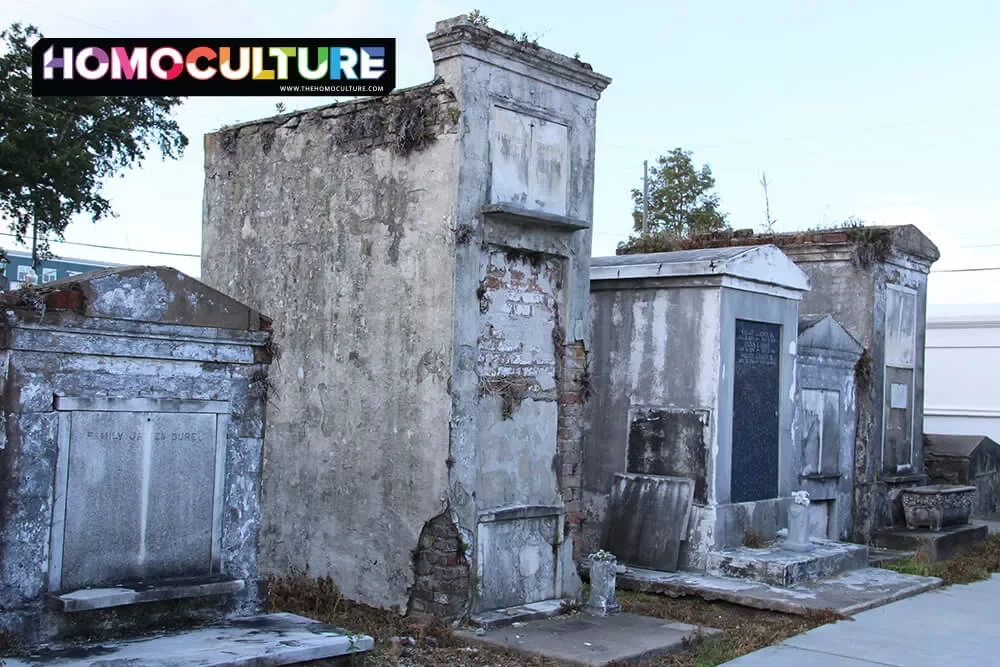
Visitor access requires the authorized St. Louis Cemetery No. 1 tour; you cannot simply wander over between lunch and shopping. Reserve ahead and follow the guide’s instructions around the tombs. Stories associated with Marie Laveau are part of the cemetery’s public history, but folklore and documented biography deserve careful distinction. Comfortable shoes and water are sensible companions.

A Plantation Tour at Oak Alley
Oak Alley, in Vacherie beyond New Orleans, pairs its well-known oak-lined landscape and mansion with exhibits about the plantation’s operation and the people who lived there. A visit requires time across the property: the house is only one part of the experience. It’s recommended to upgrade your admission to includes the guided house visit, then leave time zfor the self-guided exhibits and grounds rather than treating the tour time as the entire excursion.

The Slavery at Oak Alley exhibit tells the story the enslaved men, women, and children whose labor sustained the sugar plantation. Their lives are at the center of understanding the property and the wealth displayed there. Arrange round-trip transport in advance; relying on rideshare return can be a gamble. Give this serious history visit the attention it deserves.

A Mississippi River Cruise on the Steamboat Natchez
Seeing New Orleans from the Mississippi puts its riverfront and working port into perspective. From the water, you can follow the relationship between the city’s buildings, shipping, and the river that made this location so important. A cruise also creates an easy pause in a busy trip. You have somewhere to be and very little to organize once aboard, which can feel particularly welcome after days of walking, reservations, and deciding where everyone wants to eat.

The New Orleans Steamboat Company offers daytime, evening, and other cruise formats, with sightseeing and meal options that differ by departure. Check the vessel and inclusions: the company operates both Steamboat NATCHEZ and Riverboat CITY of NEW ORLEANS. Choose daylight for a clearer views of the riverfront, or an evening sailing when you want the cruise to anchor your evening.

A French Quarter Ghost Tour
A ghost tour gives familiar French Quarter streets a new set of stories after dark. The pleasure comes from the guide’s delivery, the buildings, and the long life of local legends. You can enjoy a well-told tale without treating a haunting as established fact. Listen for the difference between documented events and the stories attached to them, especially when an account concerns real people or living religious traditions.
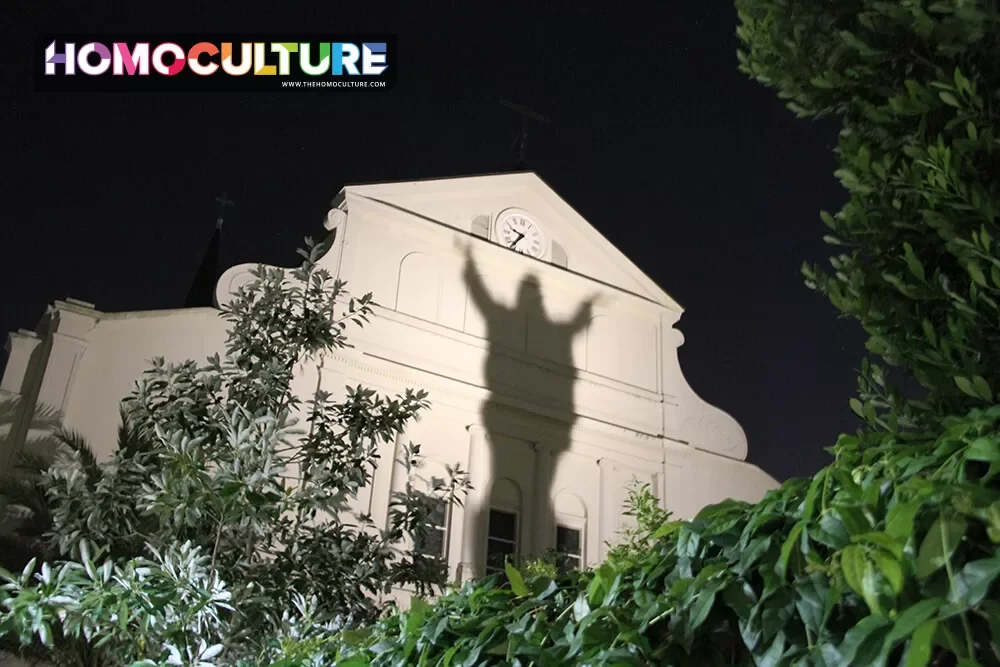
A French Quarter ghost tour makes a fun evening out with friends and an easy way to join a group if you’re traveling solo. Plan dinner around your tour time, check the meeting point, and wear comfortable shoes. Give yourself time to enjoy the stories and stops along the way, then keep the evening open for whatever catches your interest afterward.
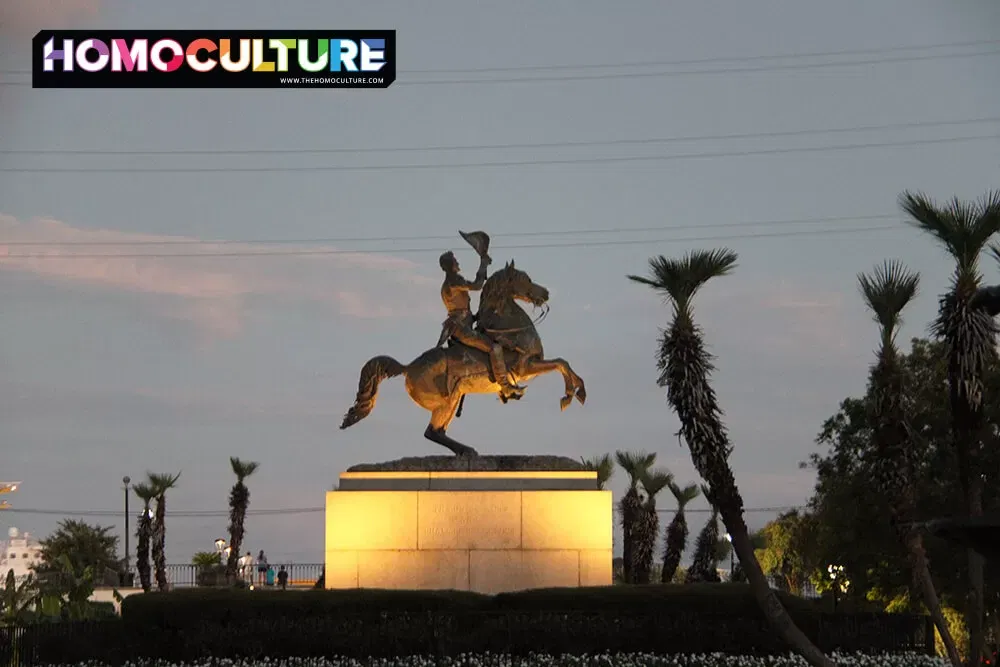
Dr. Gumbo’s Cocktail and Food History Tour
For an afternoon built around tasting and conversation, Dr. Gumbo’s combination cocktail and food history tour connects French Quarter stops with the history behind what is served. The four-hour guided walk with food tastings and cocktails are for guests 21 and older. That makes it a substantial commitment in the day, best suited to travelers who want the food and drinks to be the main activity rather than a quick sample between sights.

The tour is a social way to explore New Orleans cocktail culture, whether you arrive solo, with your boyfriend, or with friends. Comparing dishes and drinks gives everyone something to talk about as you move between stops, with the guide handling the route. Check dietary needs with the operator before booking, and come hungry. After an afternoon of tastings and cocktails, you may want to keep dinner light and your evening plans flexible.

JAMNOLA
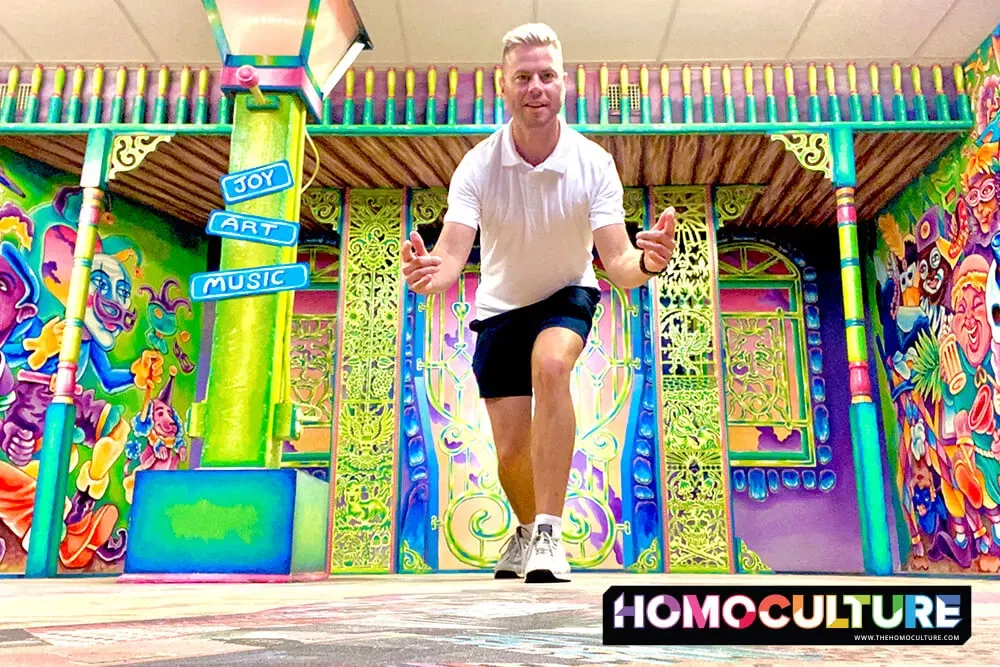
JAMNOLA, at 940 Frenchmen Street, brings New Orleans art, music, and traditions into a series of colorful, interactive installations created with local artists. Move from room to room, explore the details, and have some fun taking photos with friends. Give yourself time to appreciate the creative work and cultural references along the way. It’s an enjoyable indoor stop that puts the city’s artists at the center of the experience.
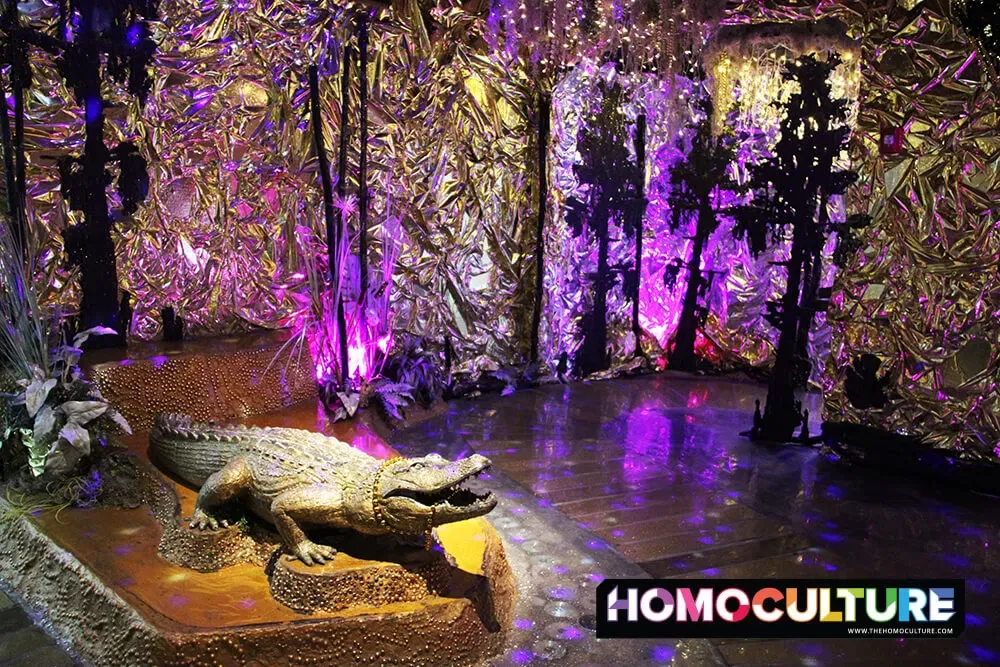
Prebooking is required. Make time for the artists and cultural references behind the visual fun. It is also a great indoor choice when you want a break from the weather or if it’s a rainy day. For returning visitors who remember the old Royal Street location, the new location gives a reason to make another visit knowing that the rooms will not be the same.
VUE Orleans
VUE Orleans combines panoramic views with interactive interpretation of the city’s culture. From above the riverfront, New Orleans’ geography becomes easier to grasp: the Mississippi’s curve, the neighborhoods beside it, and the relationship between waterways and urban life. Inside, films and exhibits introduce music, food, and people who helped shape the city. That combination makes this a useful early-trip stop, particularly if the Quarter has been your only point of reference.
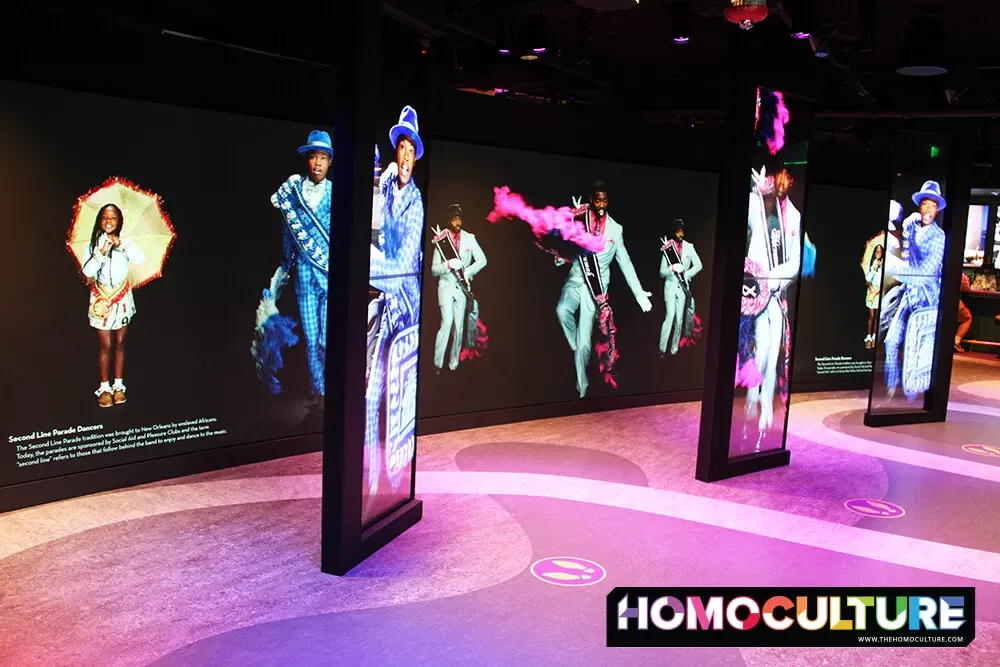
Allow time for the exhibits as well as the observation decks. A skyline photograph is only part of the visit, and the cultural material gives names and stories to places you may explore afterward. Check current opening days and admission before going; outdoor deck access depends on conditions. Pair it with a riverfront walk or a nearby meal for an afternoon that stays geographically manageable.
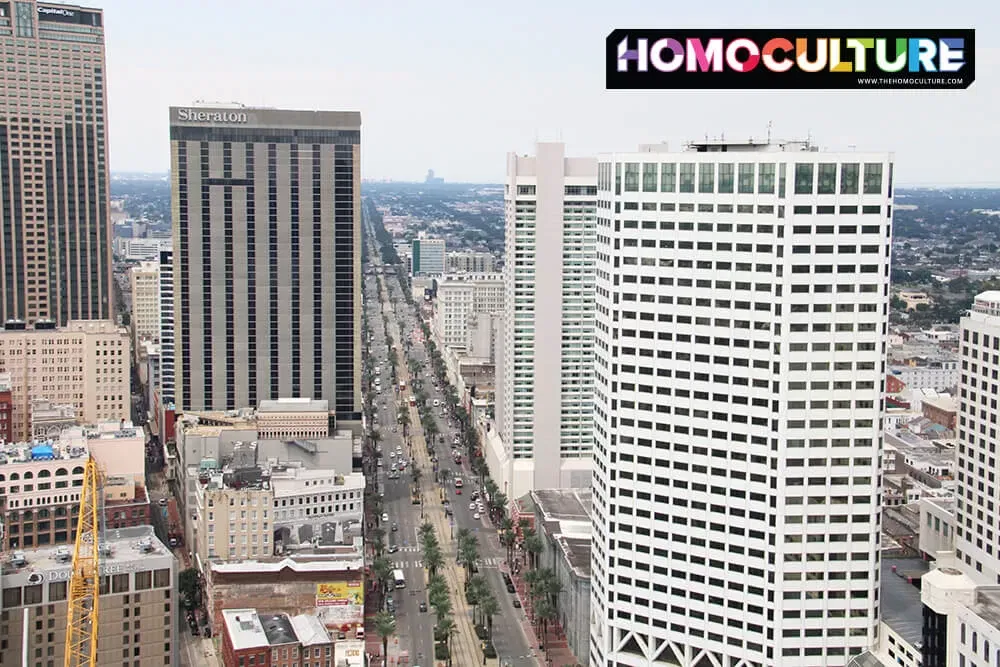
Ride the New Orleans Streetcars
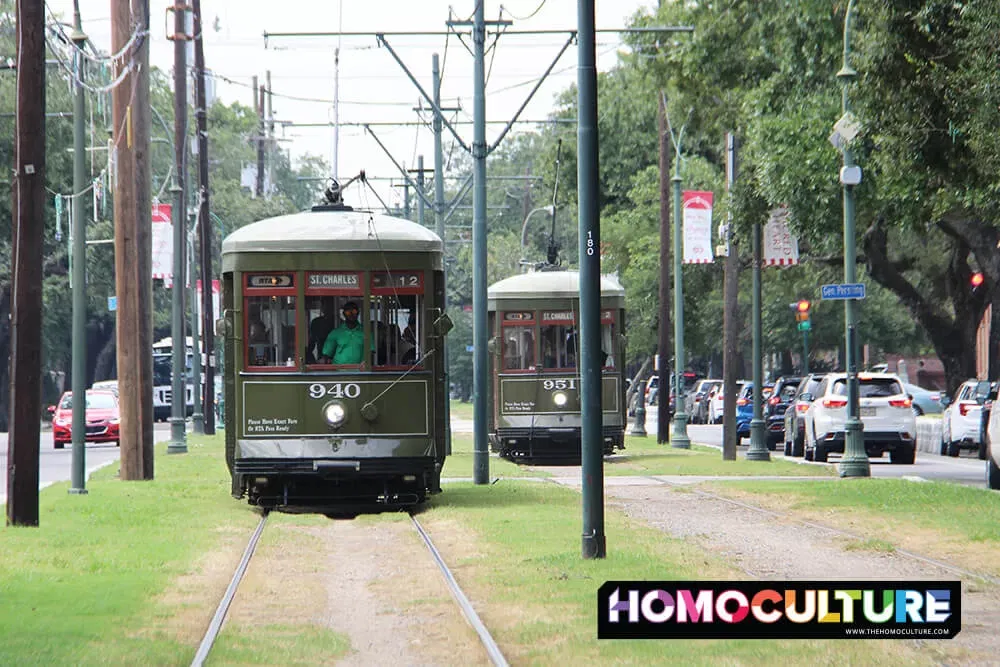
A streetcar ride gives you a reason to slow down and look beyond the next reservation. The St. Charles line heads toward Uptown, with large houses and stretches of tree-lined avenue offering a different view from the tight streets of the Quarter. Choose a stop or a neighborhood to explore along the way, then make the journey part of the outing. It is a pleasant option when another guided tour feels like more structure than the day needs.

Use RTA’s Le Pass app for route planning, service information, and mobile fares, and compare Jazzy Passes if you expect several rides. Routes serve different parts of the city, and accessibility varies by line and vehicle. Check your specific journey rather than assuming any streetcar will reach the place you have in mind.
Explore the French Quarter on Foot
Start around Jackson Square and take in St. Louis Cathedral’s exterior before wandering toward Royal Street’s galleries and shops. This is the time to look up, pause at a window, and follow an interesting block without checking your watch. The neighborhood feels different when you are choosing where to linger instead of keeping up with a group. Even after several visits, a daytime walk can supply a detail you missed while heading somewhere else.

Leave time for boutique shopping, local art, and a coffee or lunch when something appeals. A smaller purchase from a maker or gallery can carry a more specific memory than another standard souvenir. For further destination stories as you plan future trips, subscribe to HomoCulture’s travel updates. There is no need to finish the Quarter in one morning.
Where to Eat in New Orleans
Eating deserves its own share of the travel budget here. Creole cooking, Cajun influences, Gulf seafood, and newer interpretations give the city a broad range of meals worth seeking out. Creole and Cajun traditions have different histories, and seasoning does not always mean fierce heat. Gumbo, po’boys, oysters, and beignets can fit alongside a formal dinner or a long breakfast. Spread the choices across the trip so you have room to enjoy them. Arriving hungry helps. Arriving with three dinner reservations for the same evening does not.

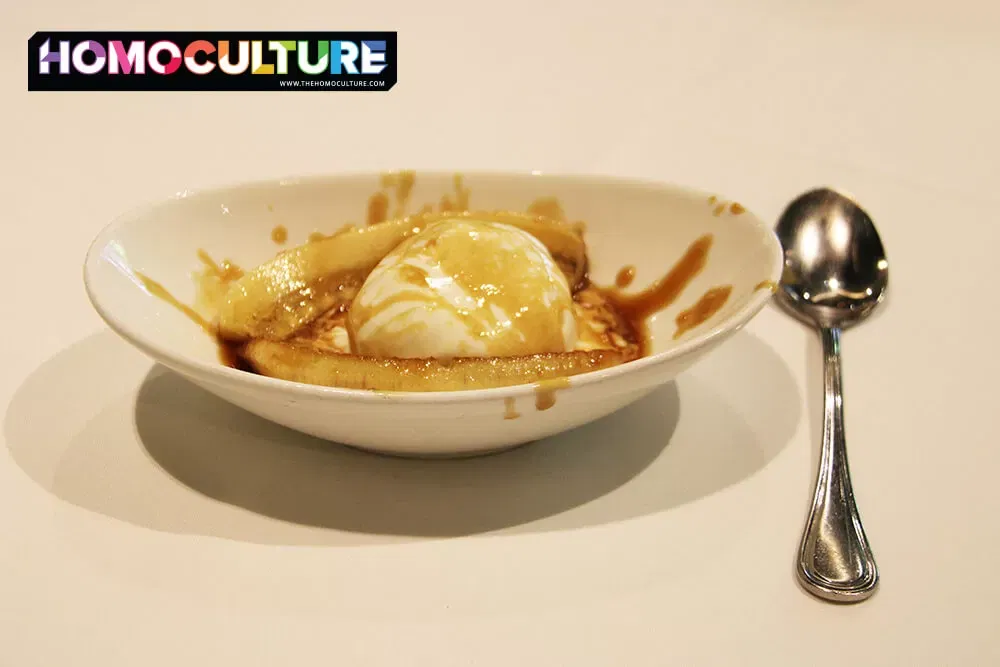
For a classic Quarter start, Café du Monde’s French Market location offers beignets and coffee with chicory. Powdered sugar has little respect for a carefully chosen outfit. Ruby Slipper suits a more substantial, casual New Orleans-style brunch; choose the branch nearest that morning’s plans and check its menu. When breakfast deserves dressing for, Brennan’s makes it an occasion, with Creole cooking carried into a full restaurant experience. Its famous Bananas Foster remains on the dessert menu, prepared tableside with rum and served with ice cream.
Reserve Mr. B’s Bistro for a proper French Quarter lunch or dinner. Its barbecue shrimp comes in a butter-based sauce with Worcestershire, garlic, and black pepper, while Gumbo Ya Ya brings chicken and andouille into a dark roux. Choose it when the meal itself deserves a generous stretch of the day. Near Jackson Square, Tableau offers several settings, including a courtyard and a balcony overlooking the square. Ask about seating when reserving if the setting matters to you; a restaurant reservation does not guarantee a balcony table.

Delacroix draws on Louisiana’s fishing culture for a seafood-focused meal beside the Mississippi. It fits naturally into a riverfront afternoon, particularly when you would rather keep looking at the water over another glass of fine than head back into the French Quarter. Desire Oyster Bar, inside The Royal Sonesta New Orleans, puts Gulf oysters and a Bourbon Street location together. Its bright marquee makes it easy to spot. These are two different ways to fit seafood into the trip, depending on whether the next stop is the river or the night’s entertainment.
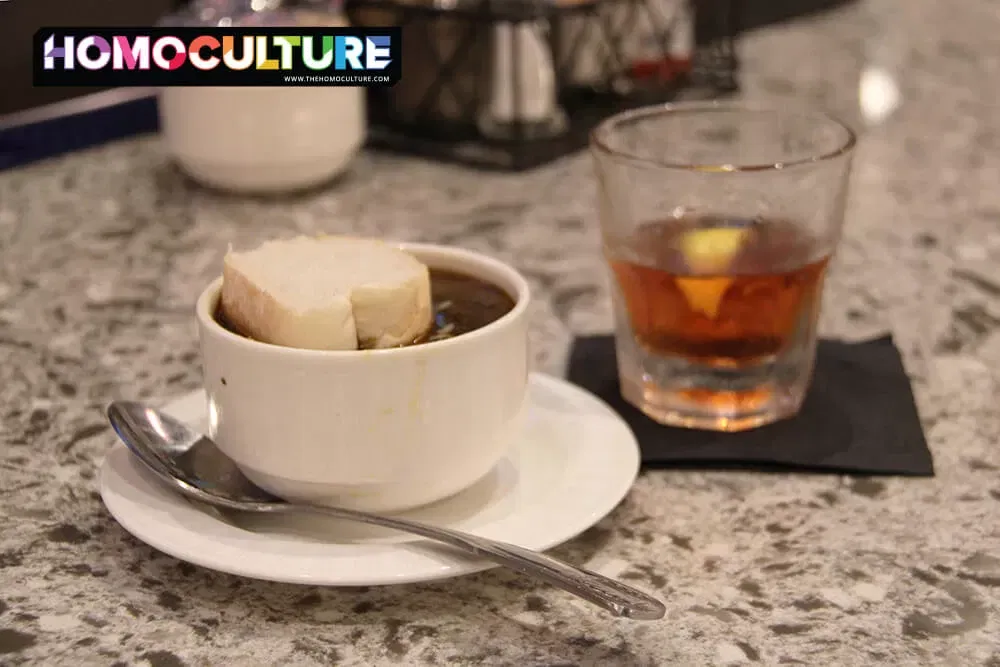
Music and performance give brunch several personalities. The Court of Two Sisters pairs its Royal Street courtyard with a jazz brunch buffet. In Bywater, The Country Club’s drag brunch is louder and more interactive, with performances woven into the meal. Book ahead and bring tips for the queens. Pool admission is separate from the restaurant booking. For a slower afternoon, Le Salon at The Windsor Court serves tea, sandwiches, scones, and sweets with live instrumental music. Give tea its own place in the day.

Thursday evening belongs on the list for Peacock Room at Hotel Fontenot. Its current calendar has Robin Barnes and Pat Casey as Da Lovebirds from 8–10 p.m., pairing live music with cocktails and food in a room full of rich patterns and textures. Check the date’s program when reserving. It makes for a fantastic dinner-and-music plan when you want to dress up and let the evening unfold at the table.

Gay Friendly Hotels in New Orleans
Staying in the French Quarter keeps many meals, walks, and gay bars close, while a nearby downtown hotel can give you more separation from the busiest nightlife streets. These four mainstream hotels are all recommended LGBTQ-friendly properties ideal for gay travelers. Choose among them for their setting, room style, and how you want to spend time between outings.
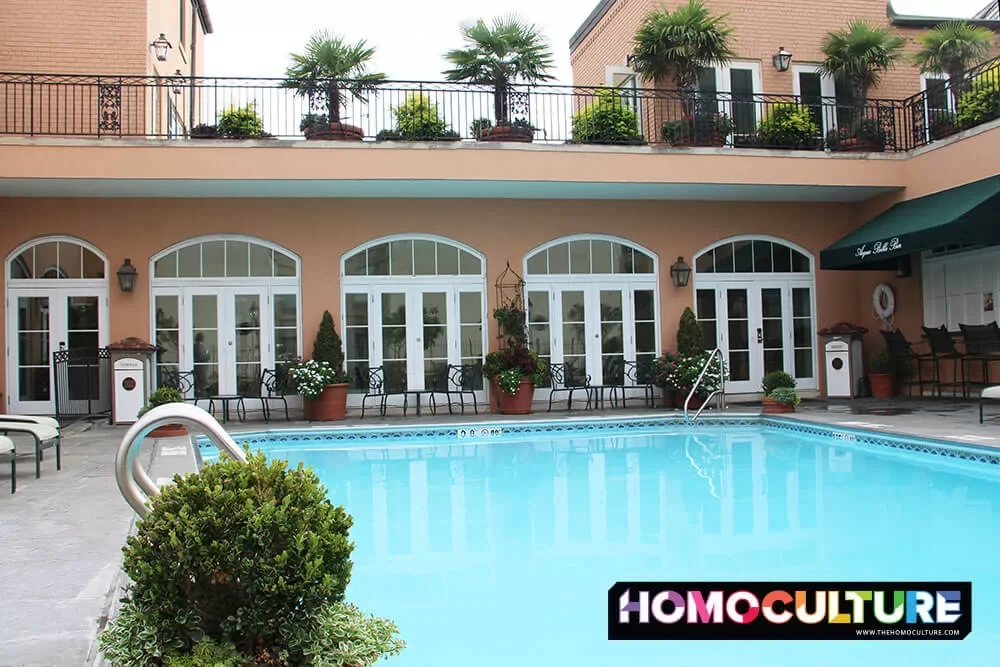
The Windsor Court
The case for The Windsor Court in New Orleans starts with space and a quieter base near the Quarter. Traditional interiors, generous rooms and suites, a rooftop pool, spa, and afternoon tea suit travelers who want the hotel to be part of the vacation. Recent This property has LGBTQ staff and community involvement, adding substance to the welcome. Choose it for a longer stay, a special trip with your boyfriend, or simply enough room to unpack properly. Pool and gym time can be smart decisions for health-focused travelers.

ONE11 Hotel
Exposed brick and original structural details give ONE11 Hotel in the French Quarter a different character from the city’s grand traditional hotels. The building’s industrial past remains visible within contemporary interiors near the riverfront side of the neighborhood. It suits travelers who appreciate a smaller boutique setting and want the river, shops, and Quarter walks close by. Consider it when design matters but you still want an easy base for going out. A morning along the water makes a pleasant start before heading deeper into the neighborhood.

Hotel Monteleone
A Royal Street address and the Carousel Bar make Hotel Monteleone New Orleans appealing to travelers who enjoy classic hotel character. The revolving bar is a destination in its own right, while the rooftop pool gives guests another reason to spend part of the afternoon at the property. Stay here for an itinerary that moves easily between galleries, restaurants, and the Quarter’s nightlife. It is also a good choice when you like the idea of getting dressed for a drink without first arranging transport across the city.
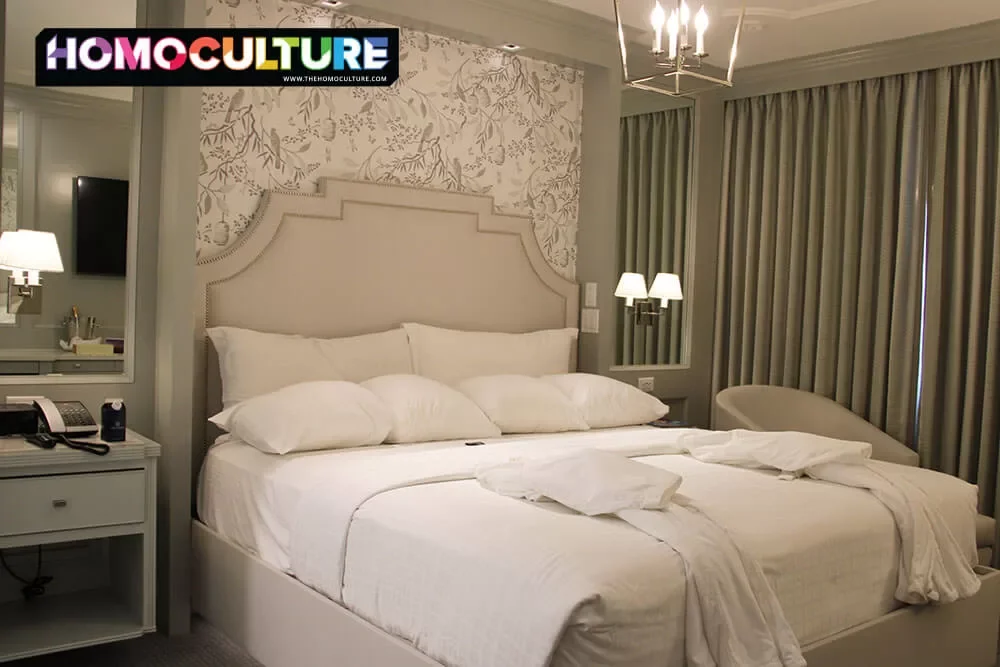
The Royal Sonesta New Orleans
For a Bourbon Street base, The Royal Sonesta New Orleans puts dining and entertainment close to your room. Desire Oyster Bar and The Jazz Playhouse give you options within the hotel before you head farther into the Quarter. Room position deserves attention when booking: ask about street exposure and the location that best fits your sleep preferences. Choose this property when easy access to the action is a priority, then make the room decision with equal care. An address can be lively without every guest wanting the same stay.
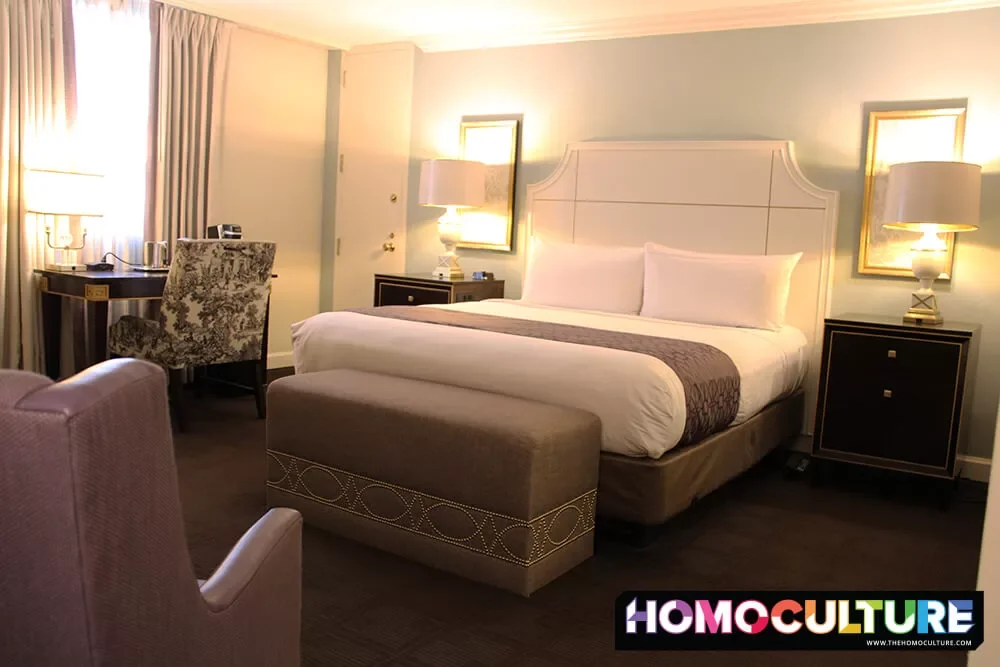
The Best Times to Visit New Orleans
Costume season, June Pride, an adult Labor Day weekend, and a pre-Christmas stay offer different reasons to return. Plan your visit around the time of year for the event that suites you. Between major celebrations, restaurants, classes, and a few good nights out can provide plenty to plan a trip around.
Mardi Gras
Carnival begins on January 6 and continues through Mardi Gras, which falls in February or March depending on the year. Expect costumes, parades, and gay celebrations within a much larger citywide season. The Quarter’s social life and the major float-parade routes are separate experiences, so consult route maps before choosing where to watch. Book popular dates early. This is the trip for travelers who enjoy dressing up and want the celebration to shape the day’s plans.

New Orleans Pride
June brings New Orleans Pride and a wider collection of independently organized community events. Parades, performances, and parties offer several ways to take part, with different gatherings appealing to different audiences. Use the Pride planning guide to compare dates, including separately organized celebrations such as New Orleans Black Pride. Choose this time for a trip centered on LGBTQ community life and celebration, and check which events need tickets alongside those open to the public.
Southern Decadence
Labor Day weekend brings Southern Decadence, usually in late August or early September. Gay bars, costumes, drag, and a very social street scene build toward the Sunday walking parade. The celebration has its own history and a pronounced adult character. It is the strongest choice here for men planning a trip around gay nightlife, meeting people, and spending several days with the boys. The dedicated section below explains how to give the weekend enough room to enjoy it.

Halloween
Late October gives New Orleans’ appetite for costume another outlet. Gay bars and party organizers build programs around Halloween, and the surrounding weekends can be as relevant to your travel plans as October 31. Choose your dates after checking the events that interest you. A ghost walk, dinner, and a night in costume make a satisfying combination without requiring every hour to be booked. Pack something you can actually walk in; looking dramatic and reaching the next bar are both worthwhile goals.
The Christmas Season
Late November and the weeks before Christmas suit a different kind of getaway: boutique shopping, decorated hotels, lights, and festive meals. Plan time to browse the Quarter, stop for afternoon tea, and enjoy evenings that can end whenever you please. The city’s Christmas planning information helps identify seasonal programs for your dates. A pre-Christmas visit is especially appealing if shopping and hotel atmosphere are part of the pleasure. Compare rates rather than assuming the whole season is quiet or inexpensive.
Why Southern Decadence Is the Trip to Plan Around
For gay men who want New Orleans’ social life and nightlife at their fullest, Southern Decadence is the top time to visit. The particular pleasure is how much happens between formal plans: bars and balconies become places to gather, costumes invite attention, drag draws a crowd, and the Sunday walking parade brings people together in the Quarter. Check out the Southern Decadence 2026 photos to see street crowds, outfits, and the openly affectionate atmosphere. There is an adult edge, including leather, revealing looks, and plenty of flirtation. For returning visitors, familiar bars and events provide a starting point for another weekend of introductions, reunions, and reasons to linger.

Book accommodation early and give yourself several nights if possible – the recommended stay is arriving Thursday and departing on Tuesday. You will appreciate time for a proper meal, a daytime experience, and a rest before going out again. Leave gaps for people you meet; overscheduling can work against the most enjoyable part of the weekend. Separate promoters and venues may sell separate tickets, so check exactly what any pass covers. Read the Southern Decadence 2026 travel guide because it is a useful background on the festivities, with current dates and tickets to be checked afresh. Heat and humidity also reward pauses, water, and a change of clothes. Bring the extra shirt. Whether it stays on is your business.

Practical Tips for Planning a Gay New Orleans Trip
For a first substantial visit, allow four or five nights. That gives you time for the Quarter, several meals, gay nightlife, and an excursion or two without making every day an early start. Add nights for a major celebration or several trips beyond the city. A shorter weekend works well when you pick a few priorities and let the rest wait.
A walkable Quarter base often makes a rental car unnecessary. Streetcars cover selected routes, while a taxi or rideshare can help with other city journeys. Swamp tours and Oak Alley need a separate transport plan, including the return. Reserve popular restaurants, drag brunch, classes, and authorized cemetery tours ahead of time, then group nearby activities together.
Comfortable shoes earn their luggage space. Allow for warm-weather breaks and leave a gap between sightseeing and dinner if you expect a late night. When comparing costs, balance special meals and ticketed experiences with neighborhood walks, shopping at your own pace, and downtime at the hotel. Ask venues about access requirements that affect your plans.
There is ample room for a sober gaycation or quieter evenings. Art, cooking, river views, history, tea, and a good meal can really make the trip extra special. Choose what interests you, and leave enough freedom and flexiblity in your itinerary planing to enjoy being there.

Gay Guide to New Orleans FAQs
Is New Orleans Welcoming to Gay Travelers?
New Orleans has established gay social spaces, drag performance, LGBTQ celebrations, and hospitality businesses with documented community connections. Those give visitors several ways to feel at home. Experiences still vary by venue and setting, so choose places that fit your interests and comfort.
Where Are the Main Gay Bars in New Orleans?
Many are in the French Quarter, with Bourbon and St. Ann a convenient starting point for Oz and Bourbon Pub. Other bars sit along nearby streets. Phoenix is farther out in the Marigny and deserves a separate place in your evening’s route.
Where Should Gay Travelers Stay in New Orleans?
The French Quarter suits visitors who want restaurants, walks, and nightlife nearby. A hotel just outside it can offer more separation from busy streets. Compare The Windsor Court, ONE11 Hotel, Hotel Monteleone, and The Royal Sonesta according to room style, location, and sleep preferences.
Is Southern Decadence the Same as New Orleans Pride?
They are separate celebrations. New Orleans Pride takes place in June, alongside other independently organized Pride events. Southern Decadence falls over Labor Day weekend and centers on gay social life, nightlife, costumes, and a Sunday walking parade, with a more adult character.
How Many Days Should You Spend in New Orleans?
Four or five nights make a useful starting point for a first substantial trip. Add time for major events or several excursions. A weekend can still be satisfying if you choose a few priorities instead of trying to cover the whole guide.
Do You Need a Car to Visit New Orleans?
Usually, a Quarter-focused stay can work with walking, transit, and occasional taxis or rideshares. A rental car becomes a separate decision when you add excursions. Confirm transport for swamp tours and Oak Alley, especially the return journey, before booking your day.

Keep Planning Your New Orleans Getaway
Choose the experience you most want to have, book the parts that need reserving, and leave some room for New Orleans to become familiar. New Orleans & Company has current destination information and event calendars to help fill out the trip, while you can subscribe to HomoCulture for more gay travel reporting. The next visit can start with a favorite place and still take you somewhere new. Which bar, meal, hotel, or experience keeps bringing you back? Leave your suggestions and stories in the comments.